Keeping Everyone Safe on Our Roads – Together

Keeping Everyone Safe on Our Roads – Together

You may have seen recent headlines about proposals (Click here to read) that could require motorists over the age of 70 to take compulsory eyesight tests to keep their driving licence. These changes are expected to be part of a new government road safety strategy due this autumn.

At the Older Drivers Forum, our focus has always been on helping people drive safely for as long as possible. We know how important driving is for independence, connection, and daily life. We also know that safety must come first – for drivers, passengers, and everyone else on the road. That’s why we support measures that make our roads safer for all.

We have worked closely with families who have lost loved ones due to collisions involving drivers whose vision was no longer safe for driving. These heartbreaking stories remind us that change is needed.

Why vision matters so much for driving
Nearly 90% of the information we use when driving comes through our eyes. If we can’t see hazards clearly, we can’t react in time. The challenge is that eyesight can deteriorate gradually, often without us realising. We simply adapt without noticing the loss.

The law requires all drivers to meet the ‘Standards of Vision’, which include:

  • Reading a number plate from 20 metres
  • Having a visual acuity of at least 6/12 on the Snellen scale
  • Maintaining an adequate field of vision

Currently, most drivers only have their eyesight checked once – at their driving test. The simple number plate check does not measure visual acuity or field of vision. This means that many people may be driving without realising they no longer meet the legal standard.

Compared with other European countries, the UK is among the most relaxed when it comes to vision and driving rules. That’s why we’ve long called for mandatory optometrist eye tests for all drivers – when applying for a licence, every 10 years when renewing it, and again from age 70 onwards.

This isn’t about taking away licences – it’s about keeping people driving safely for longer
If someone’s vision doesn’t meet the standard, they can often get it corrected with new glasses, contact lenses, or treatment. Just like we MOT our cars, we need to make sure we also “MOT” ourselves for safety.

Research shows that after age 70, people are more likely to fall below the legal vision standard. Most mature drivers already get regular tests – but a small number either skip them or continue driving despite unsafe vision. Mandatory testing is the fairest and safest way to ensure everyone on the road meets the same standards.

It’s also worth remembering: from age 60, you’re entitled to a free NHS eye test every two years (and if you have certain medical conditions or receive certain benefits).

Looking at the bigger picture
We have an ageing population, with over 200,000 more drivers aged 70+ on the roads than a few years ago. While older drivers are generally among the safest, statistics show an increase in fatalities for this age group. We’ve published a detailed analysis comparing younger and older driver safety – you can read it here: Click here

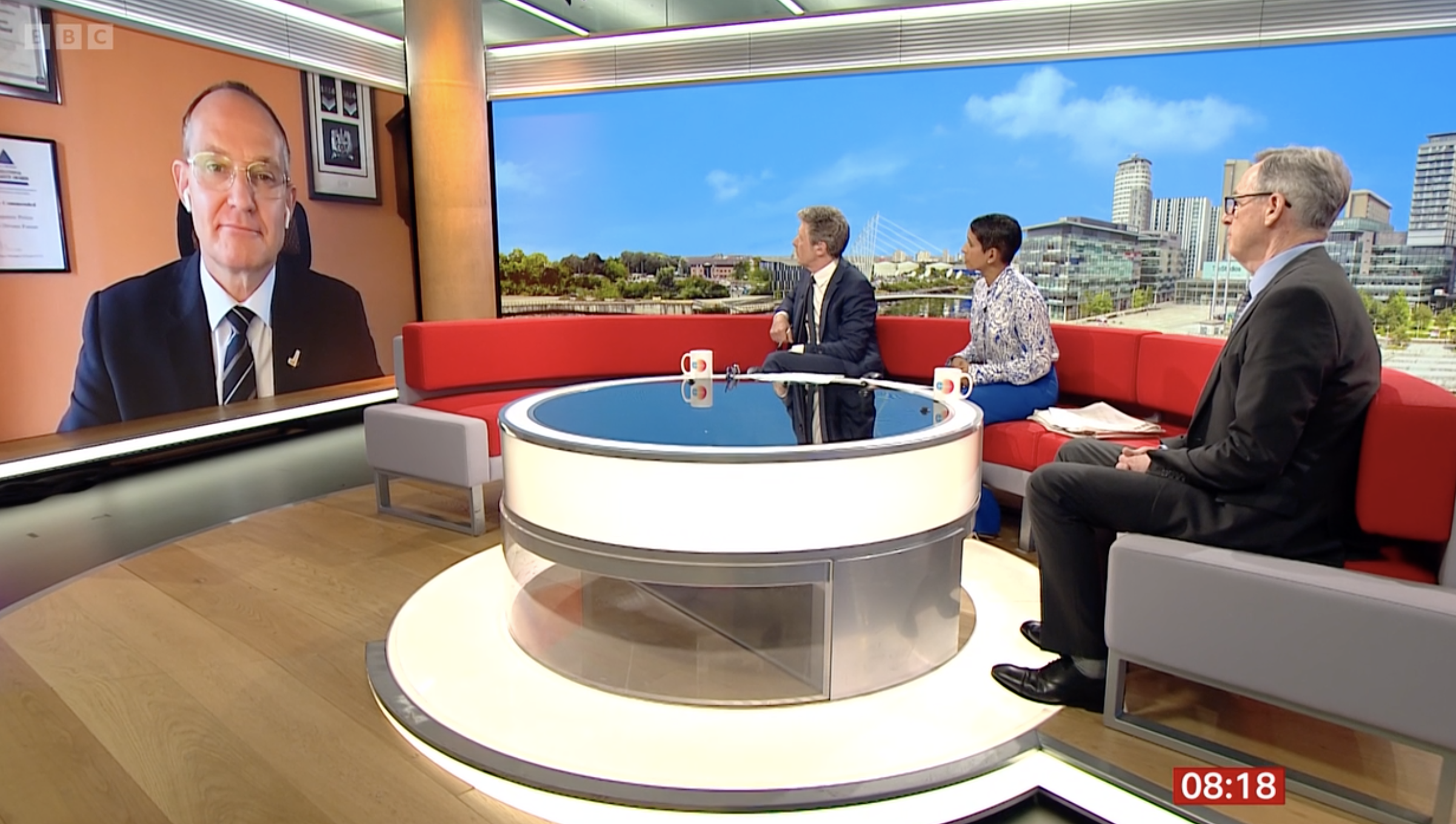
Our Chair, Rob Heard MBE, along with many of our volunteers and researchers, have been sharing these messages in TV and radio interviews, including BBC Breakfast today (11/08/25) – watch from 8.30am here: Click here to view.

Our commitment to you
We want every driver to keep the freedom and independence that comes from driving – for as long as it’s safe. That’s why we’re working hard to make sure changes to the law are fair, practical, and supportive. Driving safely isn’t just about believing we’re safe – it’s about taking action to make sure we truly are.
Call for drivers to have eyesight tests after fatal collisions

This week our chair has attended as an expert witness the inquest in Preston Lancashire of 4 people in 3 separate collisions caused by drivers with defective vision below the legal ‘Standards for Vision’ for driving.

The legal ’Standards of Vision’ for driving are:

  • An individual must be able to read a car number plate from 20m
  • An individual must also meet the minimum eyesight standard for driving by having a visual acuity of at least decimal 0.5 (6/12) measured on the Snellen scale
  • An individual must also have an adequate field of vision

Details of these cases can be found https://www.bbc.co.uk/news/articles/czrv1g2yl0xo

In the summing up of the case HM Senior Coroner, Dr James Adeley, said the enforcement of visual standards of motorists were “Ineffective and unsafe”. He has subsequently sent a prevent future deaths report to Transport Secretary Heidi Alexandrer asking for action to be taken. Dr Adeley said he labelled the licensing system as the “laxest in Europe” as he pointed out the UK was one of only three countries to rely upon self-reporting of visual conditions affecting the ability to drive.

Dr Adeley said it was also concerning that the UK was the only European country to issue licences without any visual checks for a continuous period up to the age of 70.

The Older Drivers Forum is supporting recommendations for compulsory eyesight testing with an Optician when we renew our licences at the age of 70 and every renewal thereafter. Ideally we would like to see such testing when we apply for our first licence from 17 years, and then every 10 years along with renewal of our photo card driving licence.

The only legal time we have our sight checked is when we undertake our driving test and the examiner asks if you to read a number plate at 20m affixed to a vehicle. After this it is a self-certification that you can read a number plate at 20m at all subsequent licence renewals.

However, if the Police stop you and suspect you have defective vision, they can ask you undertake a 20m number plate check in good daylight conditions. If you fail this you may have your licence revoked within minutes by the DVLA, pending you proving you can now meet the ‘Standards of Vision’ for driving with a full sight test with an optometrist.

The current 20m number plate is no longer fit for purpose in informing if a driver has suitable vision for driving. Research from Dr Carol Hawley shows that this alone is a poor method of checking visual acuity and more extensive test is needed to look at a driver’s visual acuity, peripheral vision and contrast sensitivity.

The Forum recommend that all drivers have an optician’s eyesight test at least every 2 years. Nearly 90% of driving is visual and we need good vision to see hazards and react to them.

The tragic circumstances highlighted in this inquest clearly show that self-certification does not work, and a more robust system is created to ensure all drivers have suitable vision for driving and that the DVLA are informed when this is not the case. We MOT our cars every year, we need an MOT on ourselves to make sure we can see safely to drive.

Our Chair, Rob Heard MBE, appeared on BBC Breakfast today (Friday 18th April 2025) to explain the current situation and discuss what needs to be done. To view this click on this link https://www.bbc.co.uk/iplayer/episode/m002b0m9/breakfast-18042025 the conversation starts at 8.15am

Following this appearance today John 81 from West Sussex contacted us and explains what we should all do to remain safe on the road. John, a fine example, said “I was dismayed to hear about those people who lost their lives owing to drivers who had defective sight. Now, my driving licence came up for renewal at the end of April this year on my 82nd birthday.
I drive regularly, I enjoy driving and think I am quite a good driver – don’t we all?
I have worn glasses for distance vision for a good many years – and always were them when driving. I am aware my eyesight is not as good as it was and I don’t like driving at night on unlit roads and try to avoid doing this especially in winter.

I received a paper renewal form from the DVLA and if I recall correctly, it said when did you last have your eyes tested. Actually, it was at least 6 – 8 years ago, so I had my eyes tested a couple of weeks ago as I thought my new licence wouldn’t be granted as I hadn’t been tested for such a long time and I’m now 82. My eye test showed my eyesight is still quite good and I have a new prescription for glasses.
I filled in the DVLA online renewal form, and I think it just said ‘is your eyesight up to the required standard,’ or something like that. I replied yes – but how were they able to know if this was the case?

Certainly, at my age I would expect to have to prove my eyesight was good enough to drive in order to renew my licence. So, I am fully in favour of a more stringent stance by the DVLA regarding ‘eyesight testing/ability’ before issuing licences – old or younger”


Is Your Vision Roadworthy?

Is Your Vision Roadworthy? Hero Image Rectangle

Today (5th December 2024) our chair, Rob Heard, appeared on BBC Morning Live talking about Vision and Driving and how important it is that we all have good vision for driving. Rob has been working with Eye Health UK and the National Police Chiefs Council (NPCC) running a campaign across the country called ‘Is Your Vision RoadWorthy?’.

The results of the campaign were analysed and a report written by Dr Carol Hawley of Warwick Medical School and CARGY research. The report can be read in detail on the website Vision and Driving.

The campaign was the largest ever UK roadside vision screening survey and revealed a worrying number of motorists in Britain driving with sub-standard vision. The main findings in the report said:

  • Police Forces across England and Wales conducted number plate tests on 3,010 motorists.
  • 7% failed the number plate test – the equivalent of 720,642 motorists.
  • 2% of all drivers stopped were issued police warnings or had their licence revoked.
  • 4% of all drivers stopped had their driving licence revoked. Thirty-eight revocations were immediate (on the spot), and six were pending, awaiting action from DVLA.
  • 40% of motorists had not had a sight test in the last two years, as recommended.
  • One third of drivers had been prescribed corrective lenses for driving. Half of drivers who failed the roadside sight test were not wearing their required glasses when stopped by police.
  • The roadside test failure rate was highest amongst older drivers. 10.2% of 81 to 90-year-olds failed.
  • The number plate test is the most basic requirement of the UK’s legal eyesight standards for driving.

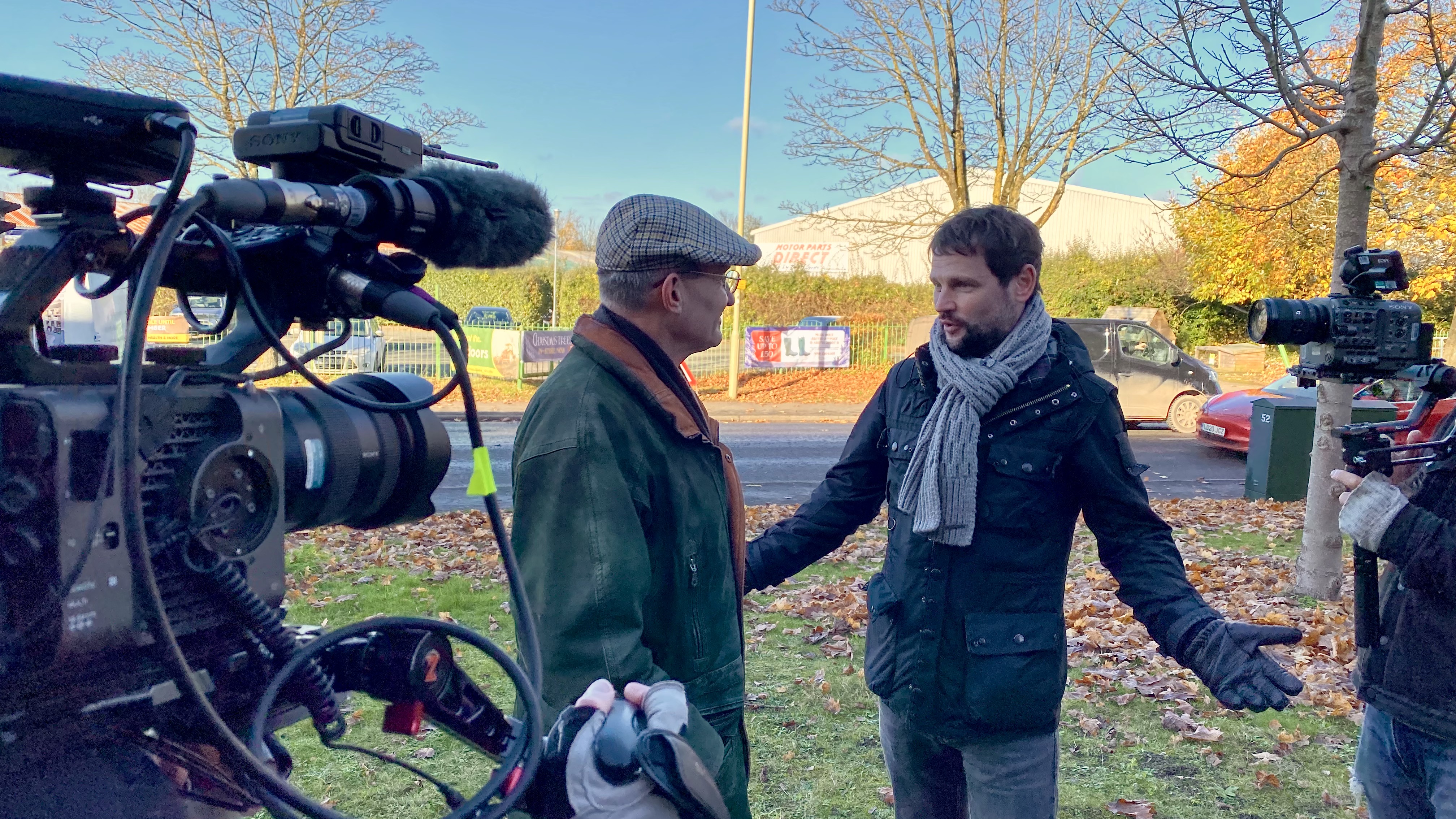
IMG_1160Rob Heard speaking with Gordon Smart on BBC Morning Live
Our chair said

“This report highlights that many people are still taking the risk to drive without knowing they have suitable vision for driving and failing to have an eyesight test every two years. Peoples’ sight deteriorates gradually, often without them being aware and often without them realising their sight may have fallen below the legal limit. 

Regular sight tests with an optometrist are an effective way of not only making sure we are safe to drive on the road, but also detecting medical conditions early so they can be treated, potentially extending a person’s driving career.” Rob Heard

To watch the BBC Morning Live programme then click on this link. Footage on the campaign starts at 14:49.

Is Your Vision Roadworthy?

ODN Is Your Vision Roadworthy? Rectangle

As we age our sight can deteriorate, often without us being aware of it. We are therefore working with Eye Health UK and the National Police Chiefs Council over the next two weeks to help raise awareness of the importance of having good vision for driving. More than 90% of information a driver uses is visual so ensuring your eyesight is up to scratch is crucial.

Please therefore get your eyes tested every 2 years & wear eyewear prescribed for driving EVERY time you get behind the wheel.

With the clocks having gone back means fewer daylight hours over the coming months. so Please make sure your eyesight meets the minimum standards for driving.

https://www.gov.uk/driving-eyesight-rules

The below video really empathies why this is so important. You MOT your car every year, so why not MOT your sight regularly for driving.