
 Cold winter mornings are a familiar challenge for drivers. Frosted windscreens can tempt even experienced motorists into bad habits that risk fines, damage to vehicles, or serious collisions. Knowing the correct way to clear your windscreen—and how to drive safely once you’re on the road—is essential during winter months.
Below is a practical guide to the do’s and don’ts of clearing frosted windscreens and driving in winter conditions.
❄️ Clearing a Frosted Windscreen: The Do’s
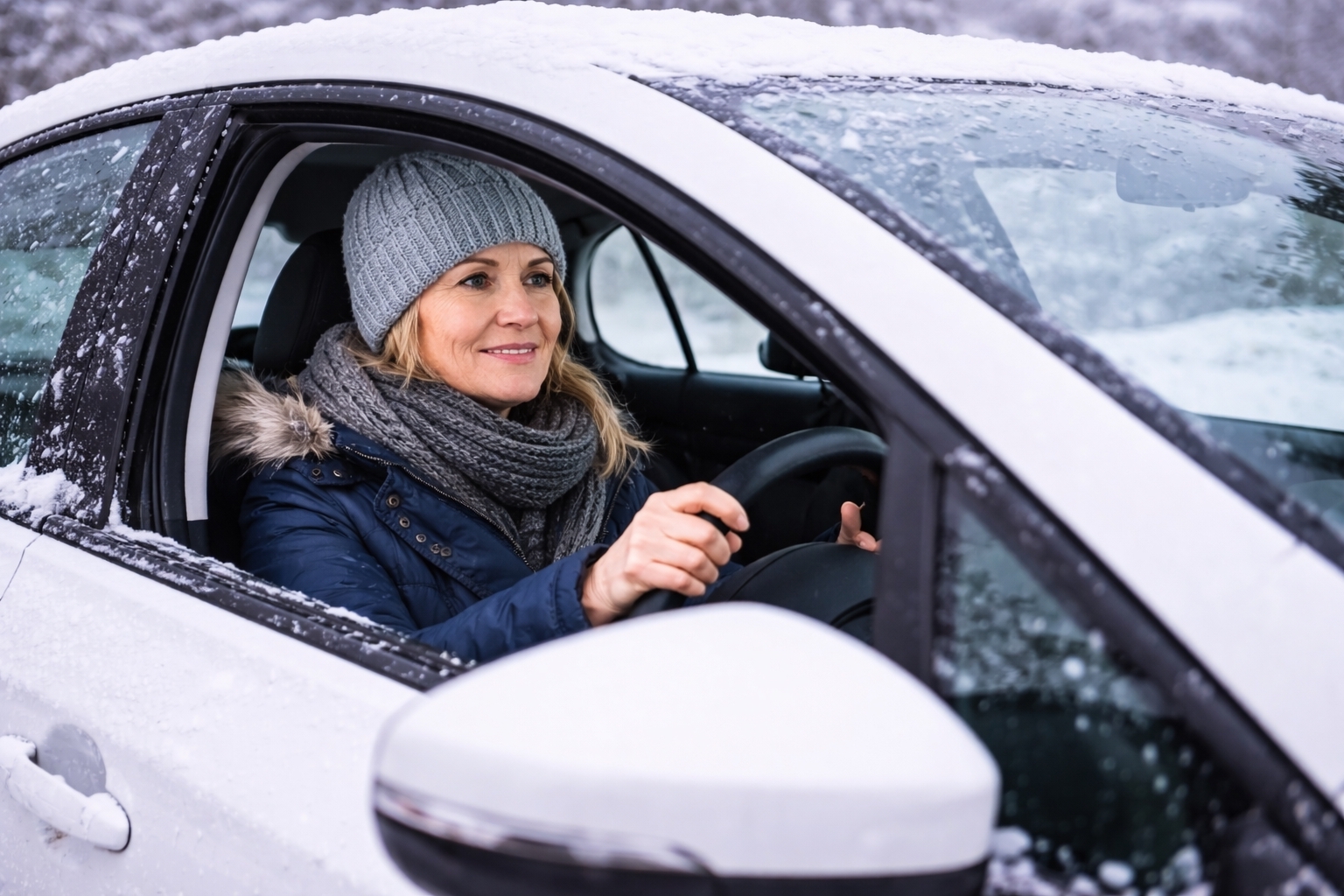 ✅ Do fully clear all windows and mirrors
Before driving, every window, mirror, and light must be clear of frost and ice. Clearing just a “peephole” is illegal and extremely dangerous—you must have a full, unobstructed view.
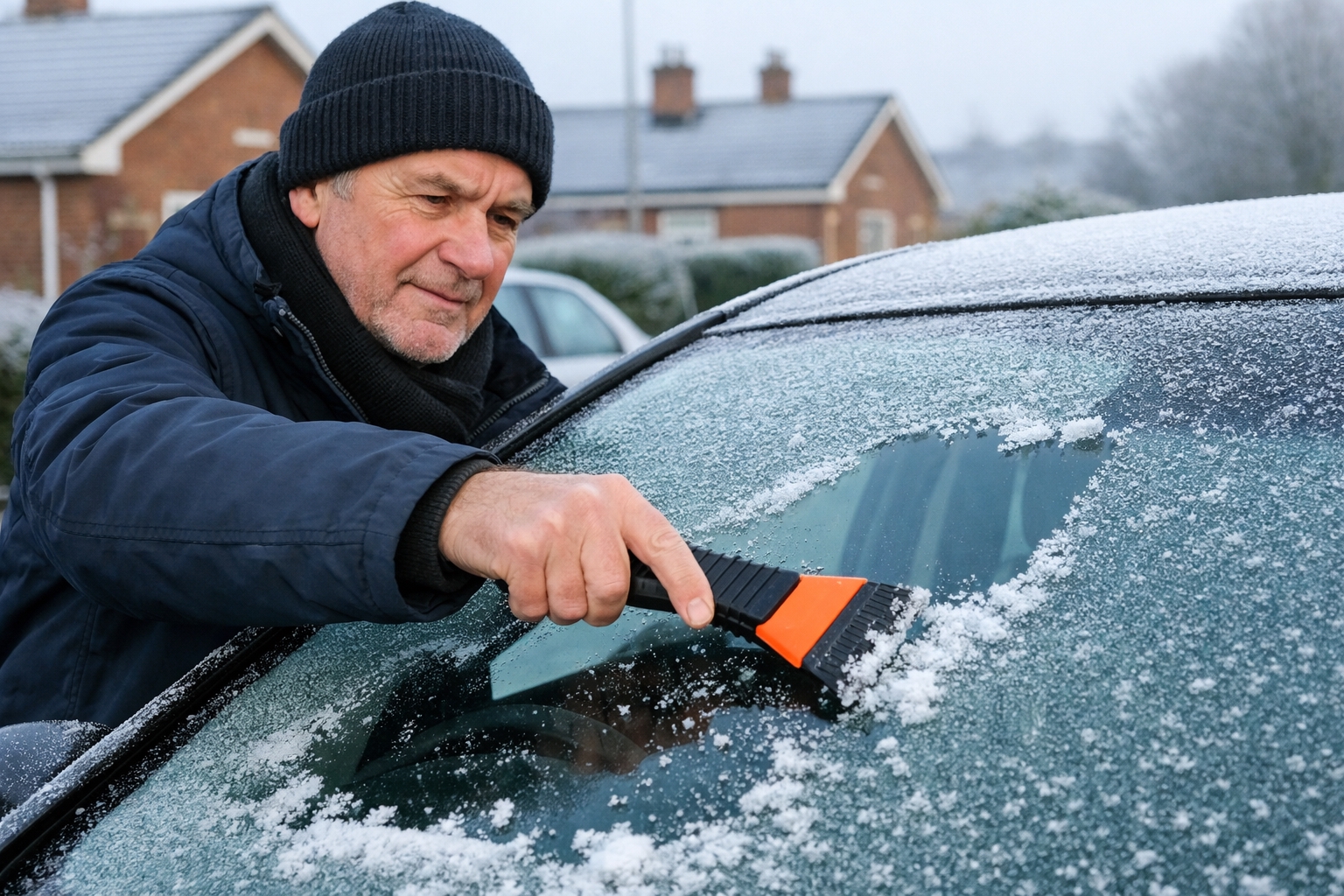
✅ Do use a proper ice scraper
A purpose-made plastic ice scraper is the safest and most effective tool. Use firm but controlled strokes to remove frost without damaging the glass.
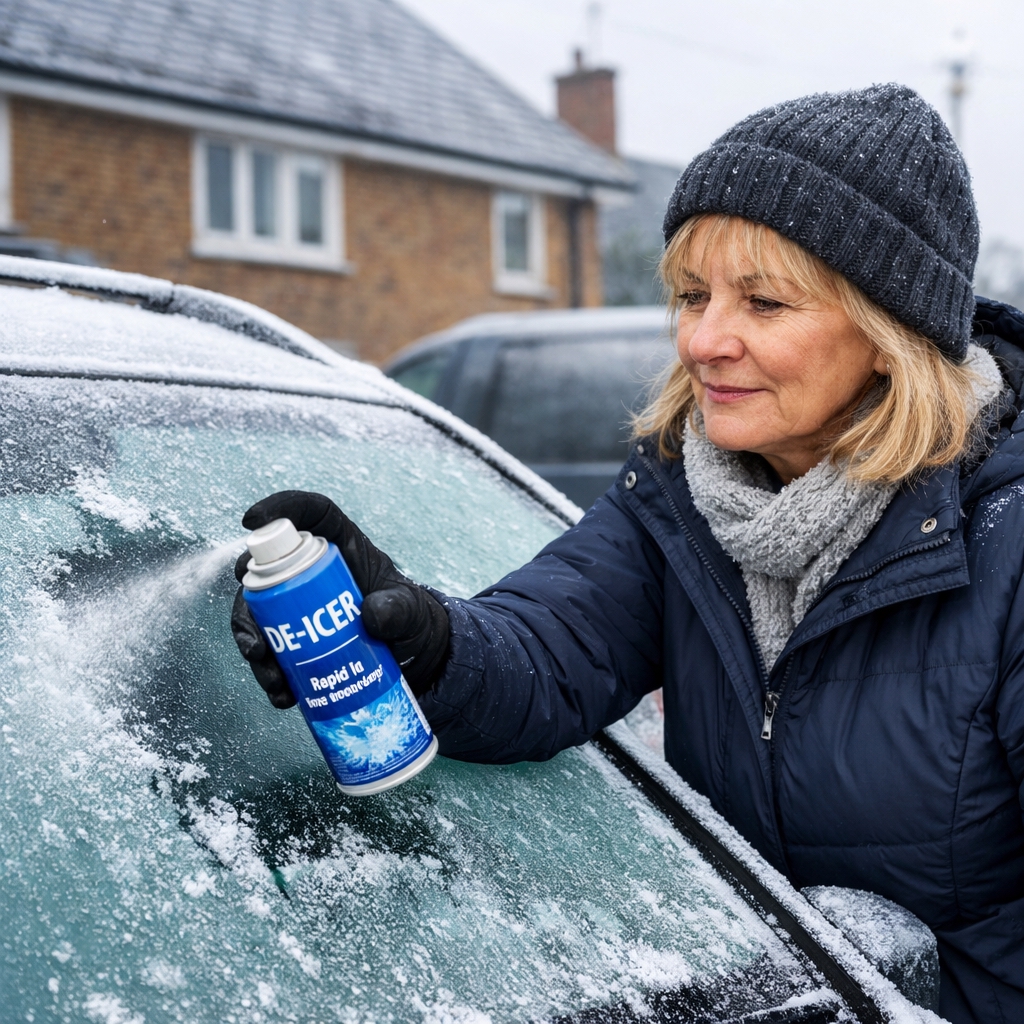 ✅ Do use windscreen de-icer correctly
Commercial de-icers are quick and effective. Spray evenly, wait a few seconds, then wipe or scrape away the ice. Keep a bottle in your car during winter.
✅ Do use your car’s demisters and heaters
Turn on the front and rear demisters, set the heater to warm, and direct airflow at the windscreen. This helps prevent refreezing once you start driving.
✅ Do plan extra time
Allow extra minutes in the morning so you’re not rushed. Hurrying often leads to unsafe shortcuts.
🚫 Clearing a Frosted Windscreen: The Don’ts
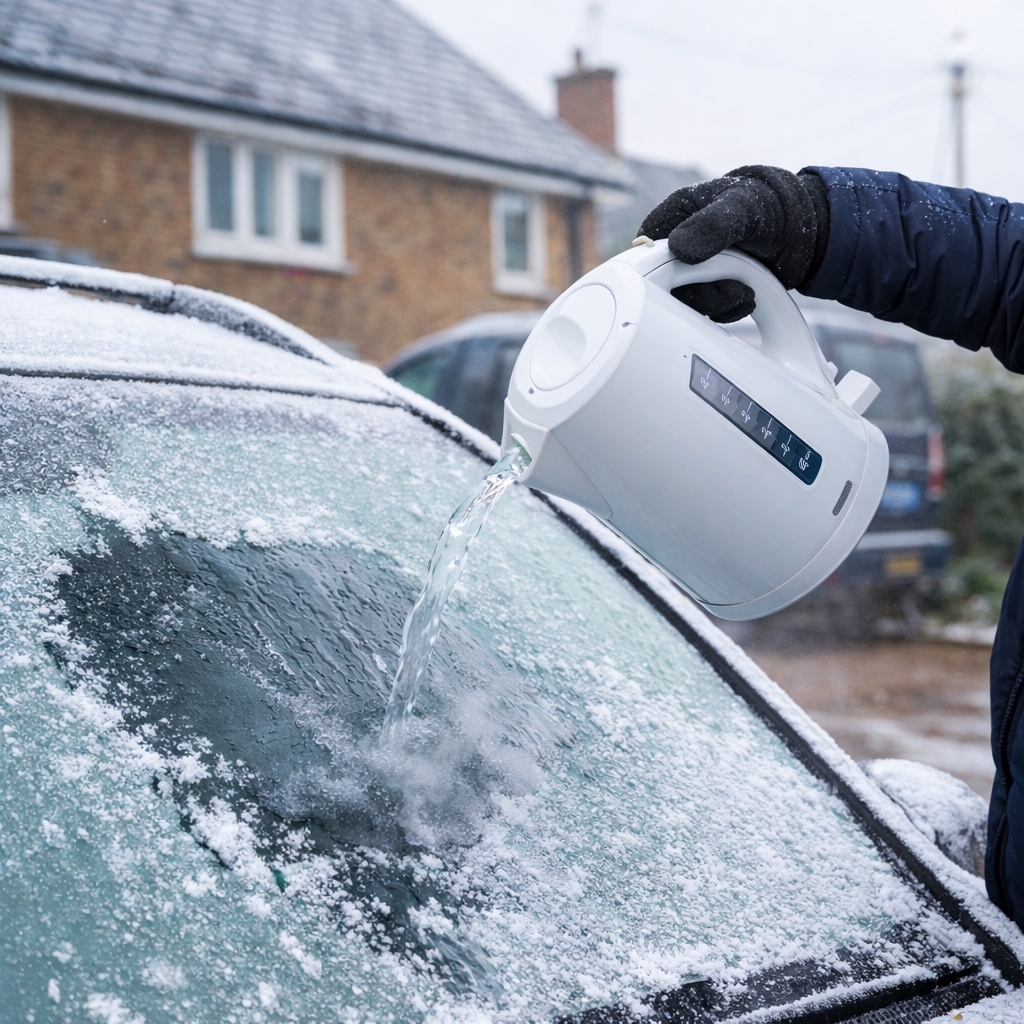
❌ Don’t pour hot or boiling water on the glass
This is one of the most common mistakes. Sudden temperature changes can crack or shatter your windscreen, leading to expensive repairs.
❌ Don’t use your wipers on thick ice
Frozen wipers can tear rubber blades or damage the motor. Always clear heavy ice manually first.
❌ Don’t leave a vehicle unattended whilst waiting for the heaters to defrost vehicle
Leaving a vehicle running unattended to defrost the windscreen is a bad idea because it increases the risk of theft, and produces unnecessary emissions that harm air quality. It can also be dangerous, as an unattended running car could move or be tampered with. It’s safer and more responsible to stay with the vehicle and fully clear the windscreen before driving

❌ Don’t drive with partially cleared windows
Driving with frost on side windows or mirrors can result in fines, penalty points, and invalid insurance if visibility is compromised.
❌ Don’t scrape with metal or sharp objects
Knives, credit cards, or metal tools can permanently scratch the glass and weaken the windscreen.
🚗 Winter Driving: The Do’s
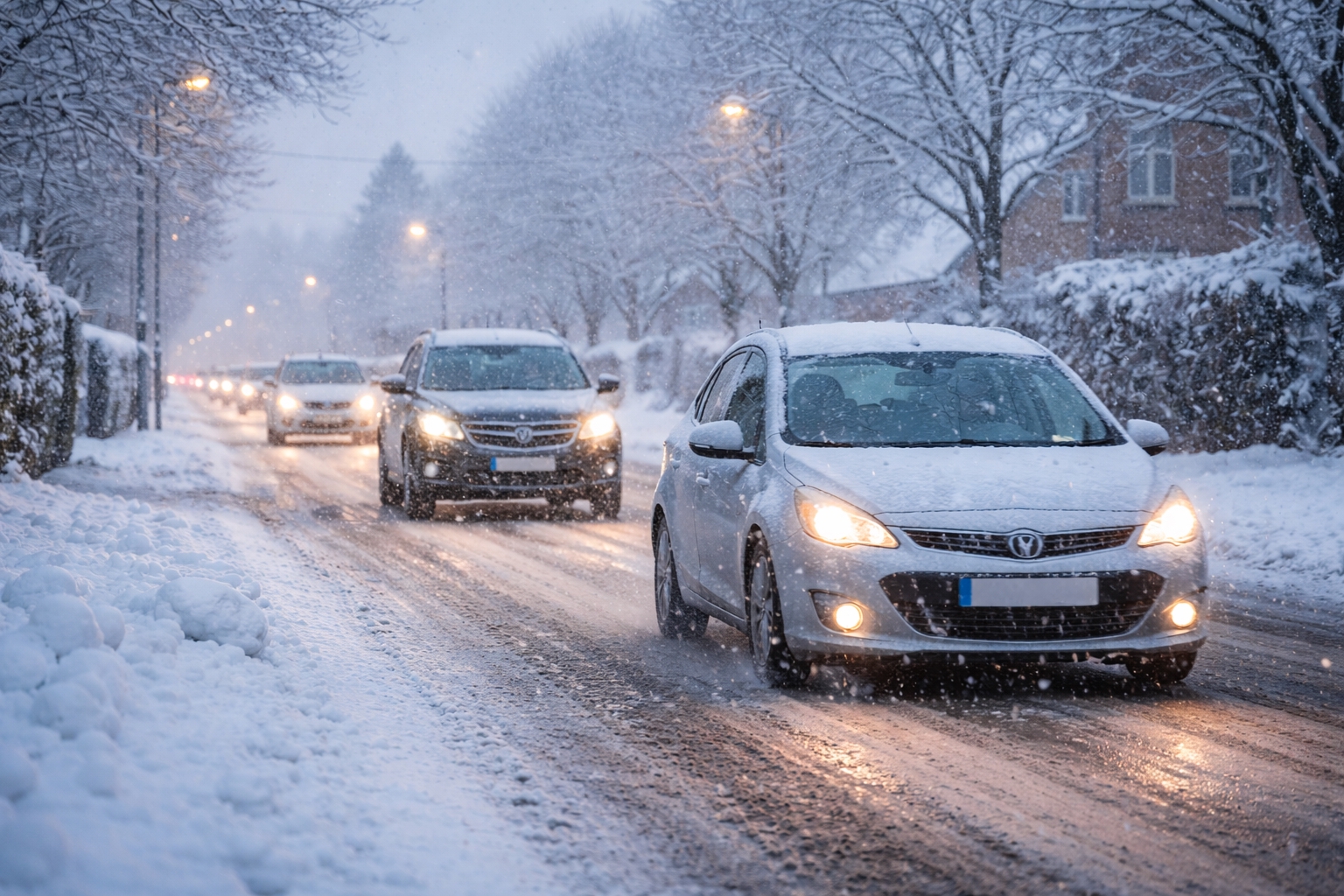
✅ Do drive smoothly and gently
Accelerate slowly, steer gently, and brake early. Sudden movements can cause skidding, especially on icy roads.
✅ Do drive with the correct lights on
Check all the lights are working and are properly adjusted, not forgetting the front and rear fog lights if needed (visibility is less than 100 metres). If the car has ‘daylight running lights’ (DLR), and you don’t have automatic headlights, in gloomy conditions make sure to turn on your headlights. The DLR function does not include rear lights.
✅ Do increase your stopping distance
In winter conditions, leave at least 10 times the normal stopping distance on snow or ice.
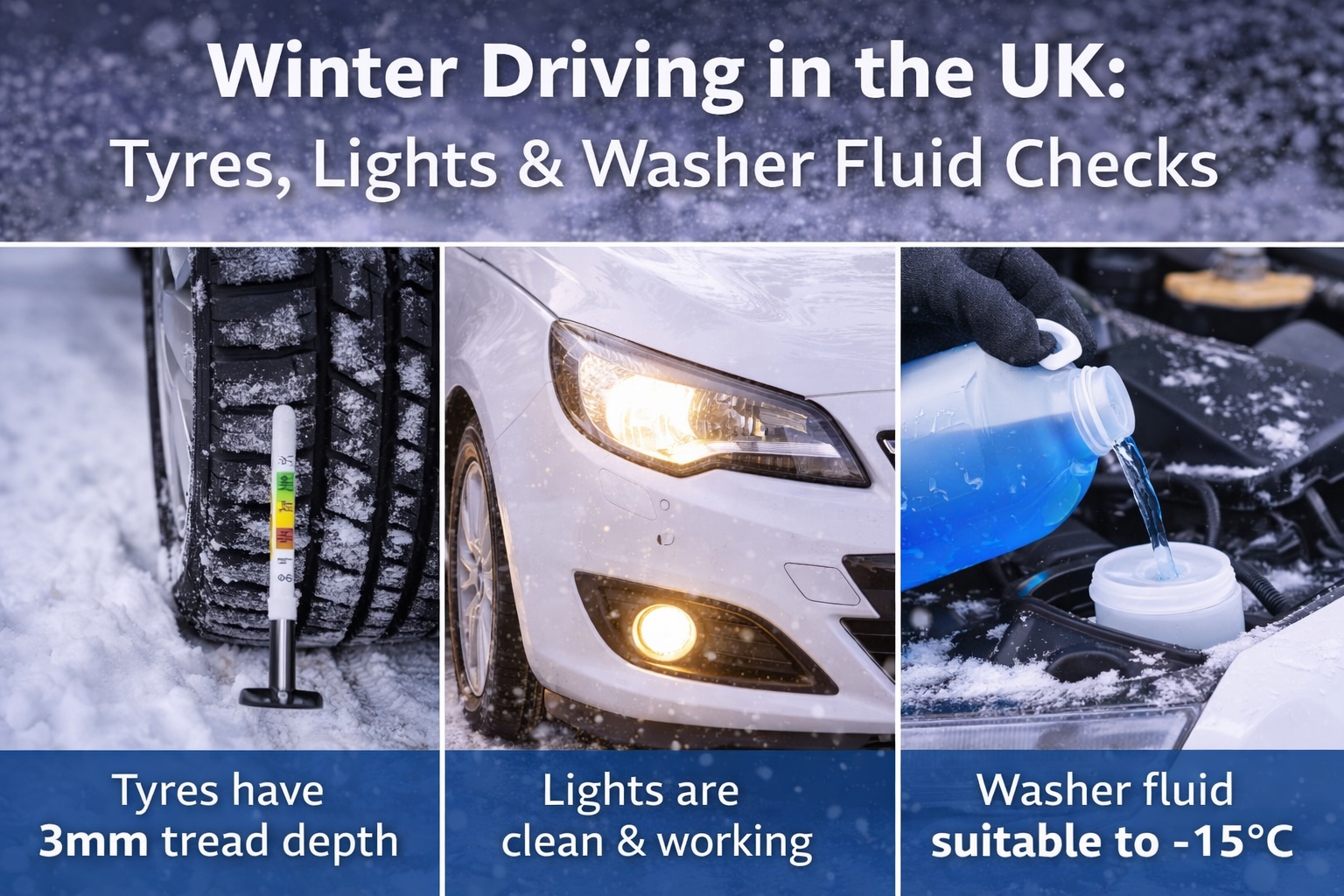 ✅ Do check your car before setting off
Ensure:
- Tyres have sufficient tread (legal minimum 1.6mm, although we would recommend in at least 3mm to be safer in the winter) For more information on Tyre Safety visit https://www.tyresafe.org
- Lights are clean and working
- Washer fluid contains anti-freeze properties to cater for temperatures as low as -15 degrees
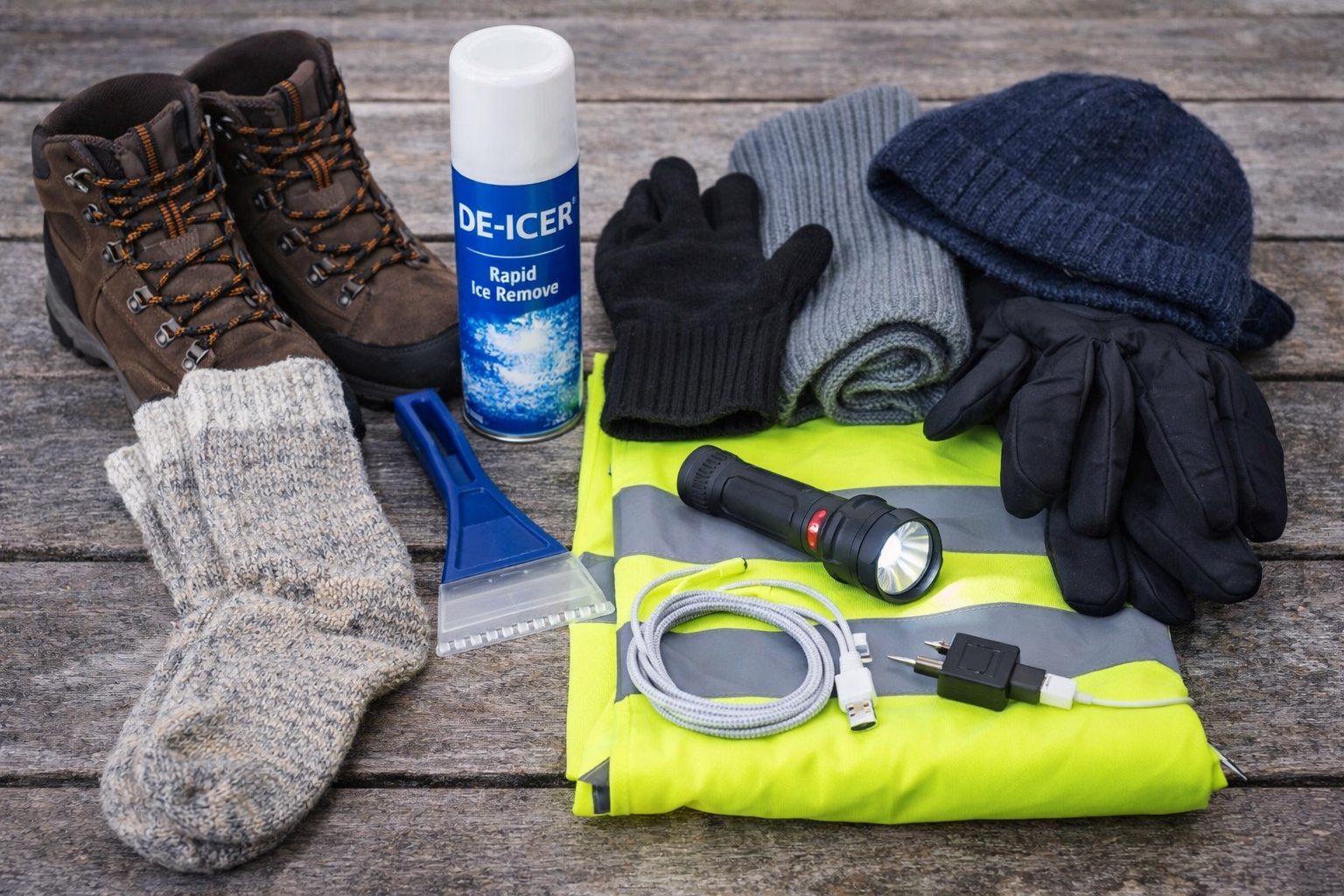
✅ Do carry winter essentials
A small winter kit can be invaluable:
- Ice scraper and de-icer
- Warm clothing and gloves
- Spare pair of dry shows and socks
- Torch and phone charger
- Fluorescent vest
🚫 Winter Driving: The Don’ts
❌ Don’t rush or tailgate
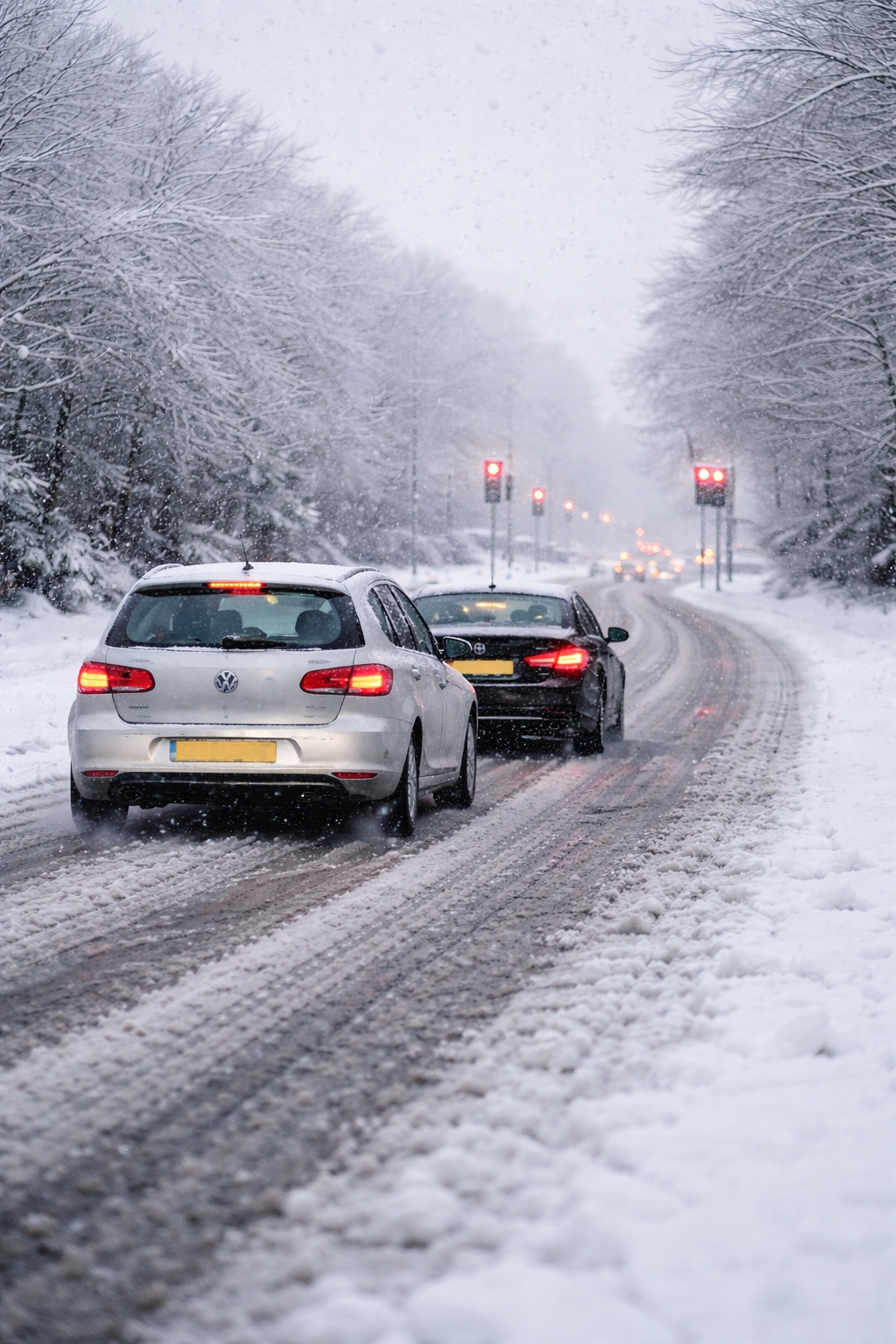
Leave plenty of space. Other drivers may struggle for grip, and sudden stops are far more likely.
❌ Don’t use cruise control on icy roads
Cruise control can cause loss of traction if wheels slip—maintain full control manually.
❌ Don’t assume main roads are safe
Even well-used roads can have black ice, especially early in the morning or at night.
❌ Don’t ignore weather warnings
If conditions are severe and travel isn’t essential, the safest option may be not to drive at all.
Final Thoughts
Clearing your windscreen properly and adapting your driving style are not just legal requirements in the UK—they’re vital safety measures. A few extra minutes on a frosty morning can prevent accidents, fines, and costly damage.
Winter driving rewards patience, preparation, and caution. Clear it fully, slow it down, and stay safe.
 Older Drivers Forum